
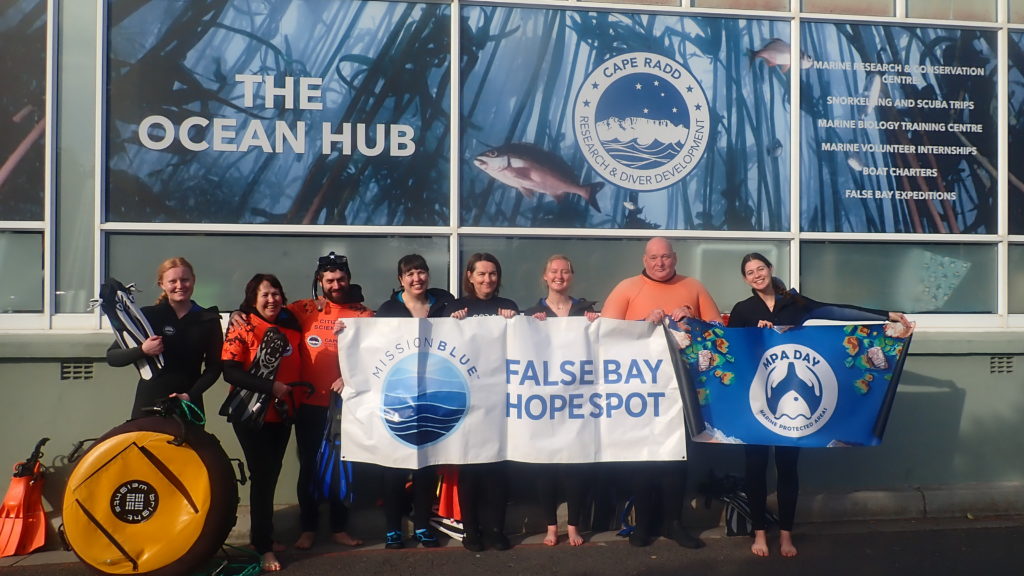
Every year on the 1st of August, Marine Protected Areas Day (MPA Day) highlights the amazing places in our oceans set aside to protect marine ecosystems, habitats, and wildlife. MPA Day started in South Africa, with the first celebration on 1st August 2021. This date honoured the announcement of 20 new or expanded Marine Protected Areas in South Africa in 2019. A significant milestone that greatly improved ocean protection. What began as a South African initiative has grown into a global movement. In 2026, MPA Day received support from the United Nations Ocean Decade, making it an official activity within the United Nations Decade of Ocean Science for Sustainable Development.
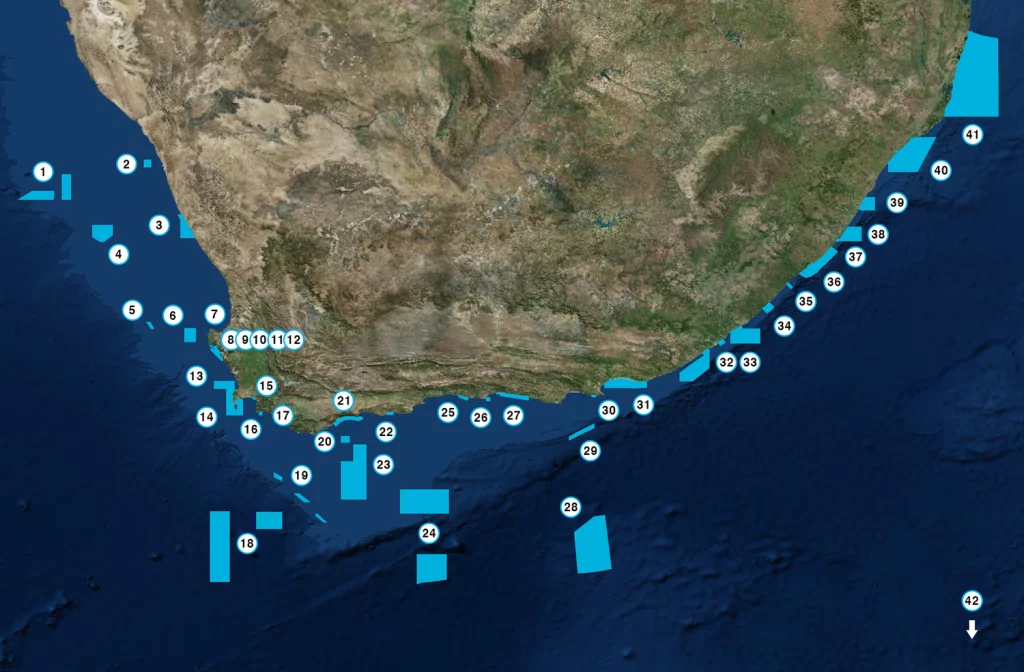
South Africa is home to 42 Marine Protected Areas. These extend from the Orange Shelf Edge in the west to iSimangaliso in the east, and reach south to the Prince Edward Islands. However, not all MPAs serve the same purpose. Each MPA has its own management goals, zones, and rules tailored to the local habitats, species, and human activities. Some areas have no-take or sanctuary zones, where authorities prohibit fishing and other extractive activities to help marine populations and ecosystems recover. Other areas are controlled-use zones, where authorities allow specific activities, such as certain types of fishing, under defined conditions. MPAs can also regulate activities such as diving, boating, and scientific research through permits and restrictions. For instance, the Table Mountain National Park MPA has six restricted zones and one controlled zone. These have strict rules governing fishing, extractive activities, diving, and vessel use. Different levels of protection rely on enforcement, monitoring, and the work of marine rangers and other authorities who ensure compliance with MPA regulations.
MPA Day Activities
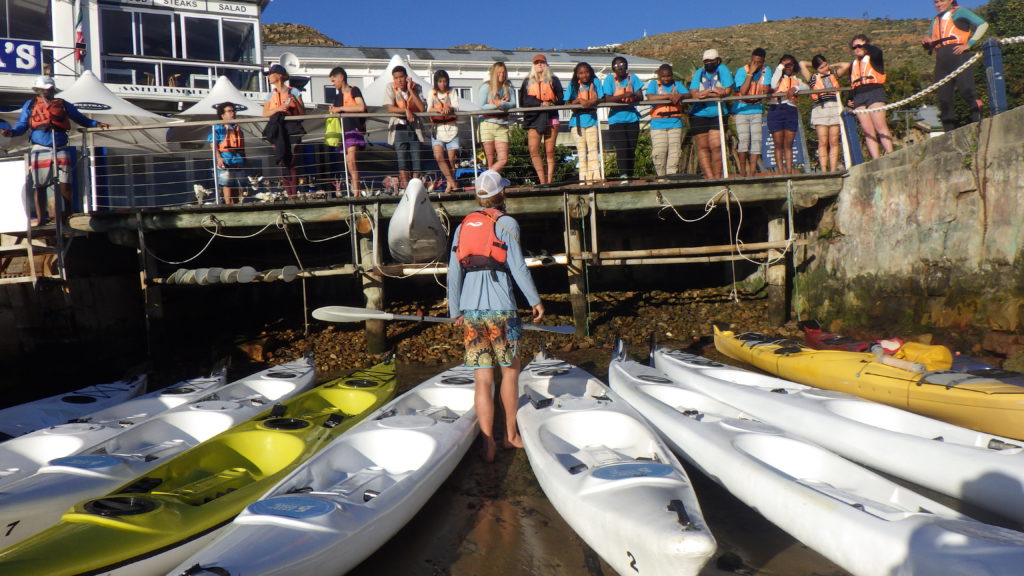
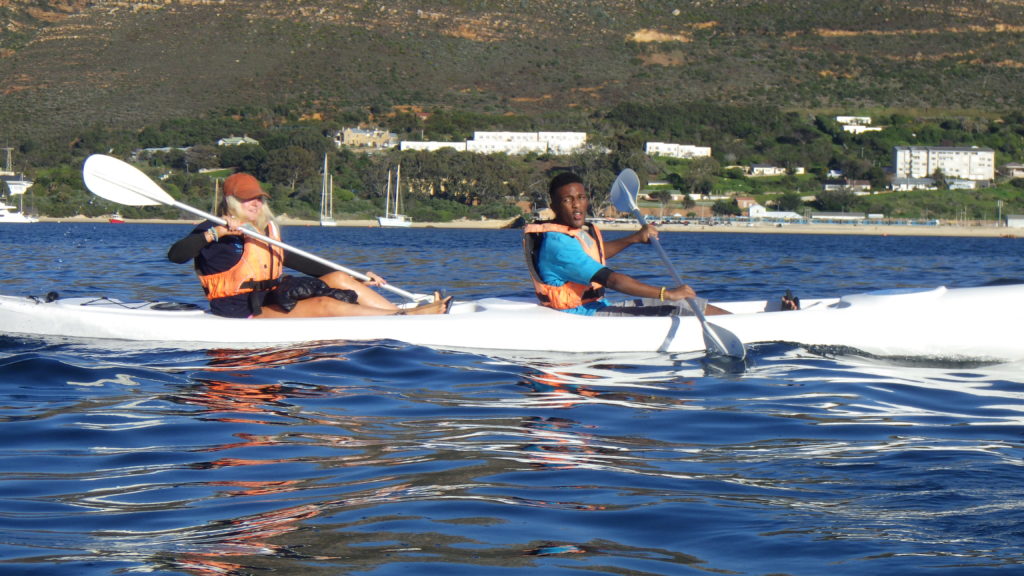
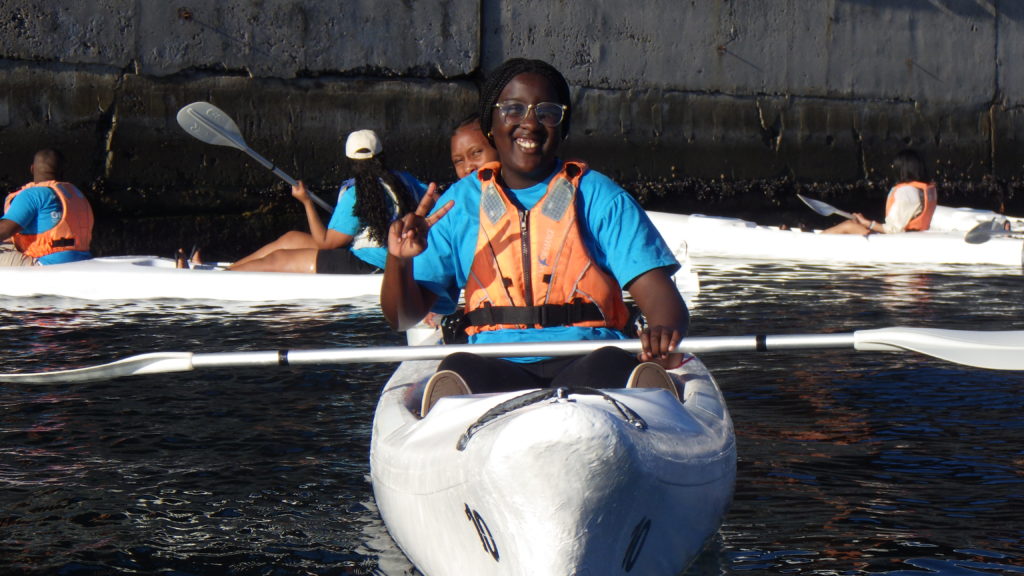
A week before MPA Day, on 25 July, Cape RADD teamed up with Ocean Pledge to give 14 students a free opportunity to explore the Table Mountain Marine Protected Area. The day began with a kayak trip into the MPA. This allowed students to learn about the marine environment from the surface. In the afternoon, they participated in an educational session led by Bianca Engel from the Ocean Campus of the Two Oceans Aquarium Foundation. This connected their experiences in the water with the science, conservation, and stories behind marine protection.
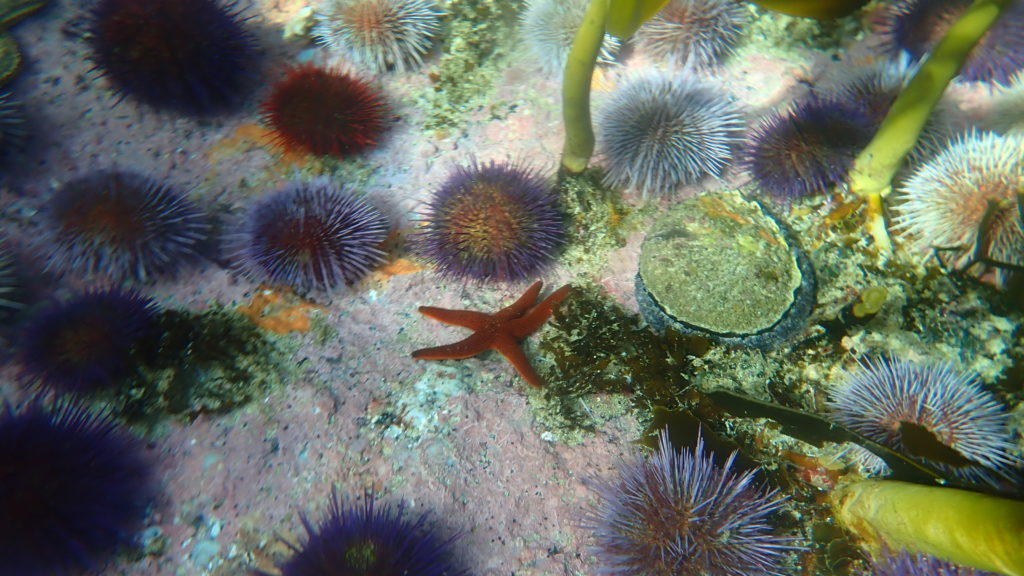
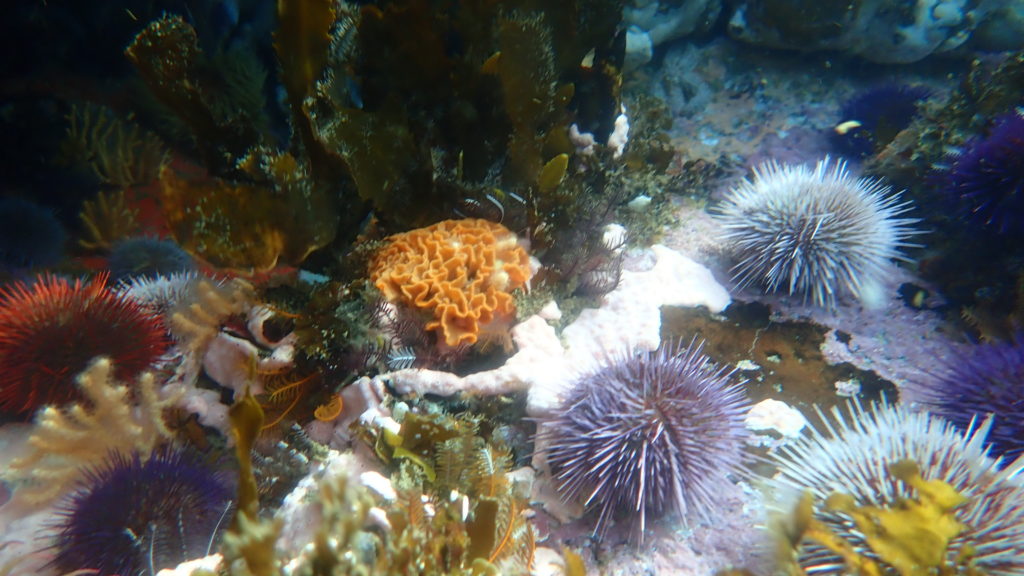
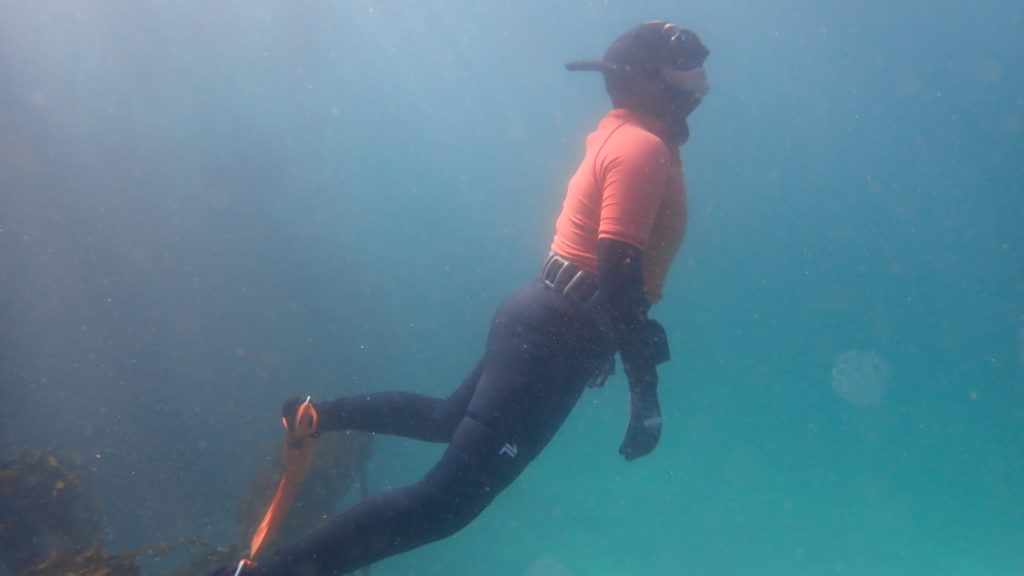
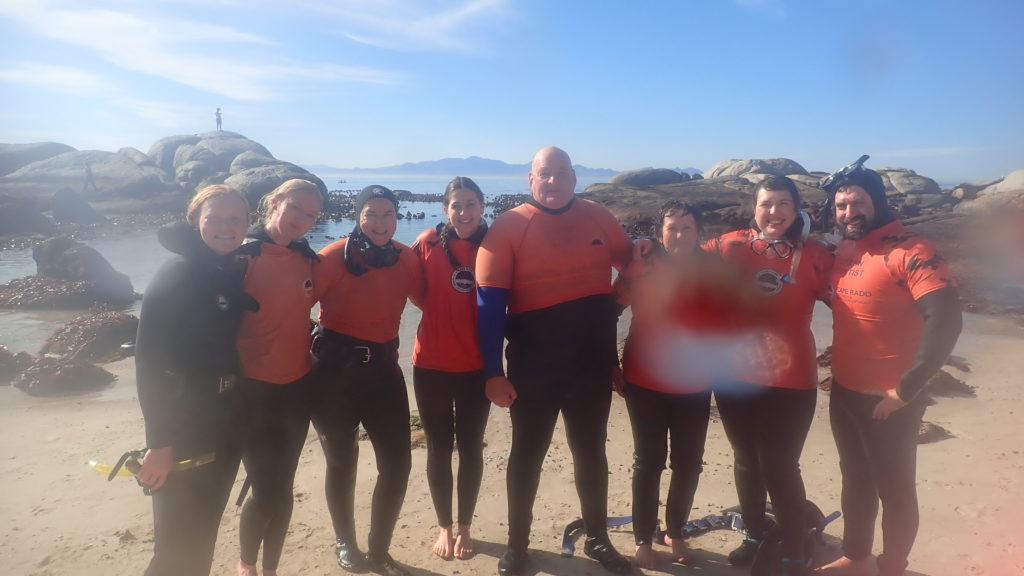
On MPA Day itself, Cape RADD celebrated by offering a fully sponsored Snorkel for Science experience. This allowed members of the public to snorkel for free alongside our marine biologist guides. For many guests, this was a chance to personally understand why Marine Protected Areas matter. And to personally see what these zones aim to protect. Below the surface of the Table Mountain Marine Protected Area, participants encountered many of the animals that thrive there. Experiences like these help transform marine protection from an abstract concept on a map into something people can see, explore, and appreciate.
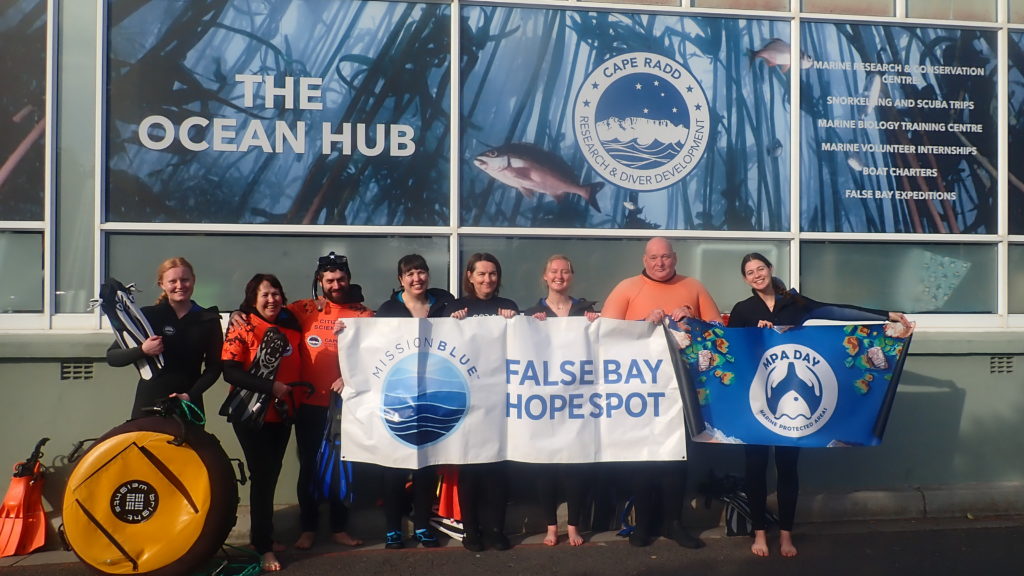
We are very thankful to the Marine Unit and the rangers who work to protect our coast. At Cape RADD, we aim to encourage more people to get into the water to experience this remarkable environment. Also to understand its importance as an MPA. We also believe that protection must be supported by evidence. Cape RADD has several long-term monitoring projects in the MPA, and we continue to collect scientific data showing how marine protection is effective and how these protected areas contribute to healthier marine ecosystems. You can contribute to the datasets of these projects by joining a snorkel, SCUBA or Ocean safari with Cape RADD.