
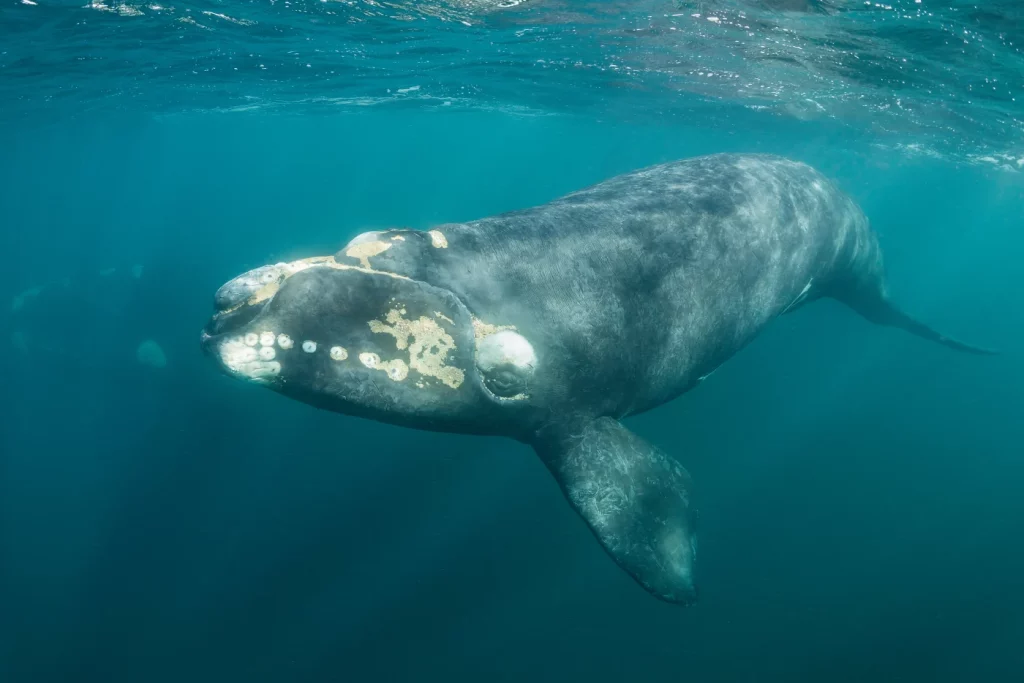
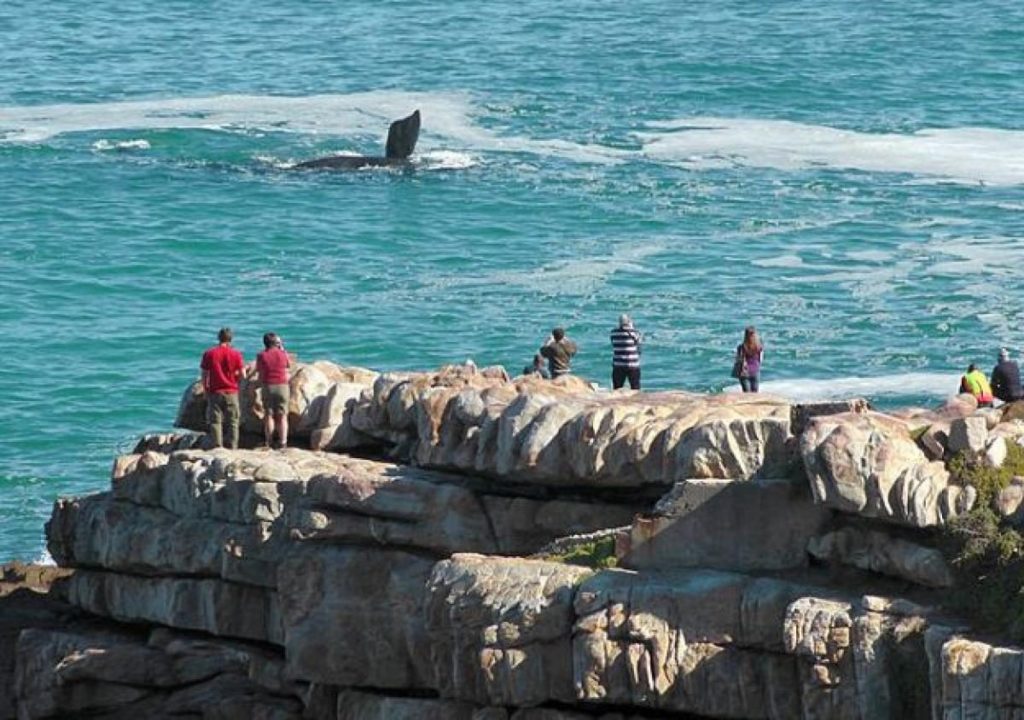
A certain kind of quiet comes over a group on the clifftop whenever a whale surfaces near the shore: someone always gives a gasp first and then everybody else does.
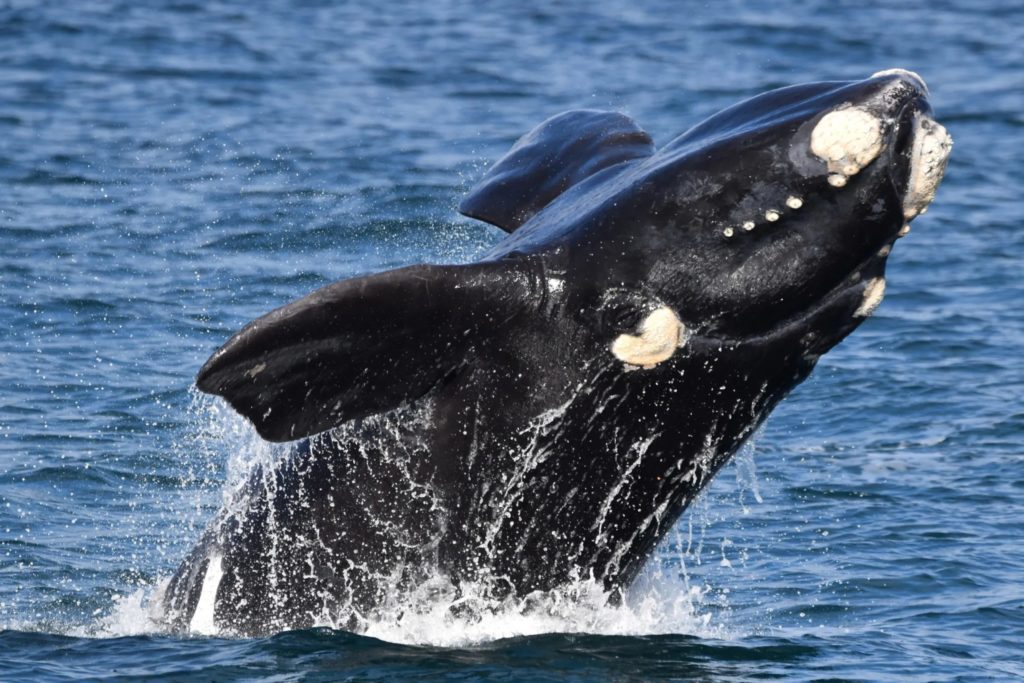
Each winter the Southern Right Whales leave the cold feeding areas of Antarctica and travel thousands of kilometers north to the quiet, protected bays of the Western Cape. The reason for their visit is so that they can mate and give birth. And for a few wonderful months Cape Town and the coastline surrounding it turn into one of the best places on Earth to witness this phenomenon often without the need for a boat, a wetsuit or even binoculars.
The full information on when to leave, where to position yourself, and what to expect is given below.
Why Southern Right Whales Choose Cape Town
The name given to Southern Right Whales comes from the old whaling era since they were considered the “right” whales to hunt because they swim slowly, float after being killed, and often remain near the shore. It is this last characteristic which makes them so valuable to whale watchers nowadays. While most species stay far out at sea, Southern Right Whales frequently drift just meters off the rocks, making them one of the very few large whales that can be seen reliably from land.
The shallow and protected bays on the Cape coast are perfect for use as nurseries, since the mothers use the tranquil waters to look after and protect their new-born calves before they make the long journey back to the south. The annual calving migration have dropped 23% of their body weight since the 1980s, they are also giving birth less frequently, dropping from every three years to every four to five years. However, they are still around and if you are lucky, you may be able to see these gentle giants on Cape Town’s coastline.
When to Go: The Whale Season Calendar
In June, the first whales start to arrive, though the number of sightings remains low and enthusiasm grows all the same.
From July to August the numbers increase steadily and calving generally begins in August, although it can occur as early as late July.
From August through October the season is at its peak; it is the best time with the greatest number of whales, the highest number of calves, and the best chance of seeing one on any particular day.
From September through October the period is generally regarded as the best time, particularly in the area of Hermanus, since mothers and their calves stay in the bays.
In November the numbers begin to decrease as the whales start to return to Antarctica, although a few individuals can still be seen.
If you have to choose just one window, the period from late August through October offers the best mix of whale numbers and good, though still cool, weather.
Don’t forget to put the date down: the Hermanus Whale Festival will take place from 2 to 4 October 2026 — it is the only “eco-marine” festival in the world and attracts more than 100,000 people each year to watch the whales, enjoy live music, and sample food at stalls by the water.
Where to See Them: From City Views to Day Trips
In the City: Sea Point Promenade
You have no necessity at all to leave Cape Town if you want to begin looking at the water; between Mouille Point and Bantry Bay there is a simple and trouble-free possibility, all you have to do is take a coffee, look up from your walk and keep your attention on the swells from August to October.
Closest Day Trip: Boyes Drive & False Bay
Boyes Drive, which is only a short distance from the city center, rises above St James and Kalk Bay and provides wide, elevated views over False Bay, one of the best places on the whole peninsula for whale-watching from land. If you carry on down to Muizenberg and Fish Hoek, you’ll have other opportunities to look over the water along the way.
For a Boat’s-Eye View: Simon’s Town
If you want to get closer to the action, Cape RADD, Simon’s Town Boat Company and similar organizations run boat trips into False Bay, where you have the chance to see Southern Right whales together with seals and dolphins, and if you’re lucky, even an orca. Join an Ocean Safari with marine biologists, to conduct valuable research while looking out for whales.
The Dramatic Option: Cape Point
The drive from the city takes ninety minutes and involves paying a reservation entry fee, but Cape Point makes the journey worthwhile with cliffs that rise 80 to 200 metres above the water. Whales are frequently visible to the unaided eye from this vantage point. Nearby there is Buffelsbaai, a sheltered cove in the reserve, which is a known nursery area and is worth stopping at between July and October.
The Whale Capital: Hermanus
A list cannot be considered complete without mentioning Hermanus, which is about a two-hour drive from Cape Town by way of Gordon’s Bay and Betty’s Bay along the scenic Whale Route. Hermanus is regularly ranked as one of the best places in the world for whale-watching because of the Cliff Path, on which whales are often seen swimming just metres from the rocks. The town is also the only one that has an official Whale Crier, this person going along the coast and sounding a kelp horn to notify tourists when a whale is spotted.
For Quieter Crowds: De Kelders and Betty’s Bay
De Kelders, which is only a short distance from Hermanus, has striking cliffs and provides the same close-up views of whales, but with considerably fewer people. Another preferred destination for tourists who want the scenery without the crowds is Betty’s Bay, a place on the Whale Route.
A Few Tips Before You Go
- Even when viewing whales up close it’s a good idea to bring binoculars since wind, glare and low cloud can make it more difficult to spot them from a distance.
- Wear something warm since the coastal wind on an exposed clifftop is colder than it appears on a sunny day.
- Wait a bit because whales never turn up when it’s supposed to happen; stay at each spot for at least twenty to thirty minutes before going to the next one.
- There should be no attempt to approach whales in the water since boat operators who are permitted to do so have to adhere to strict distance rules for a reason.
- Weekday mornings are generally quieter than those on weekends, particularly at well-known places such as Boyes Drive and the Cliff Path at Hermanus.
The Bottom Line
No matter if you have only twenty minutes to spend on the Sea Point Promenade or if you take a full day to drive the Whale Route all the way to Hermanus, the Southern Right Whale season in the Cape provides something truly rare, the opportunity to see a wild, huge, ancient animal from the land at no cost. If you time your visit between August and October, choose a location that suits your available time and keep a careful eye on the horizon, because you never know when that first spout will show up.
References
MORRIS, M., 2024. MIGRATION AND CALVING PATTERNS CHANGING FOR SOUTHERN RIGHT WHALES. NATURE.
Vermeulen, E., Thavar, T., Glarou, M., Ganswindt, A. and Christiansen, F., 2023. Decadal decline in maternal body condition of a Southern Ocean capital breeder. Scientific Reports, 13(1), p.3228.