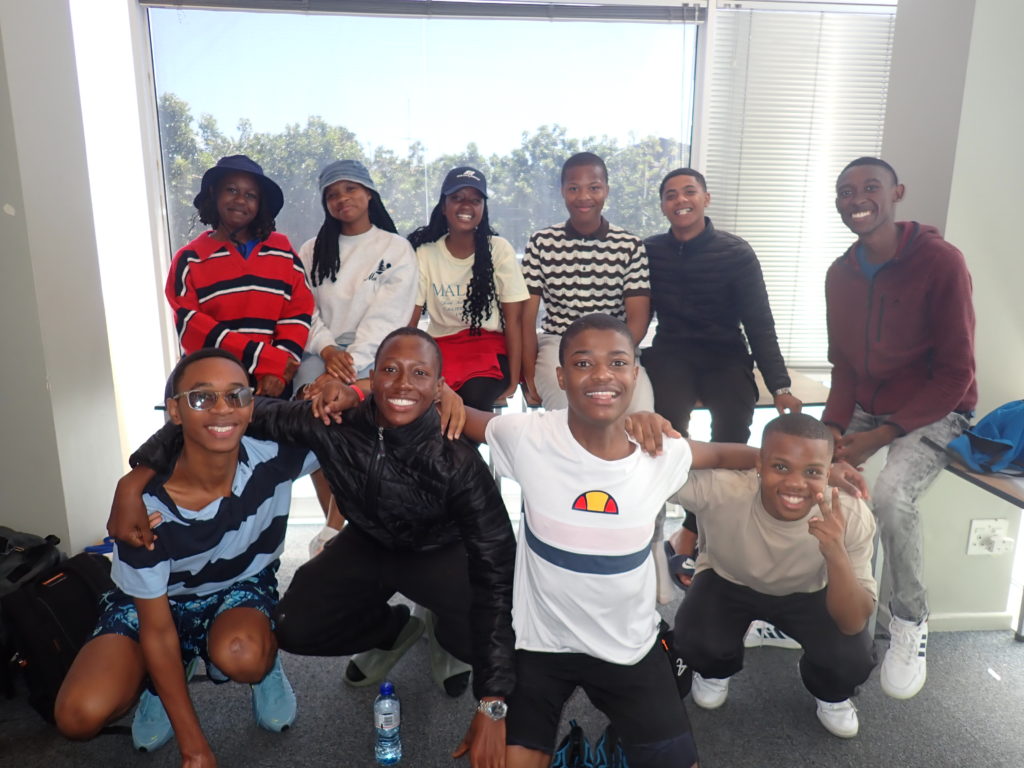
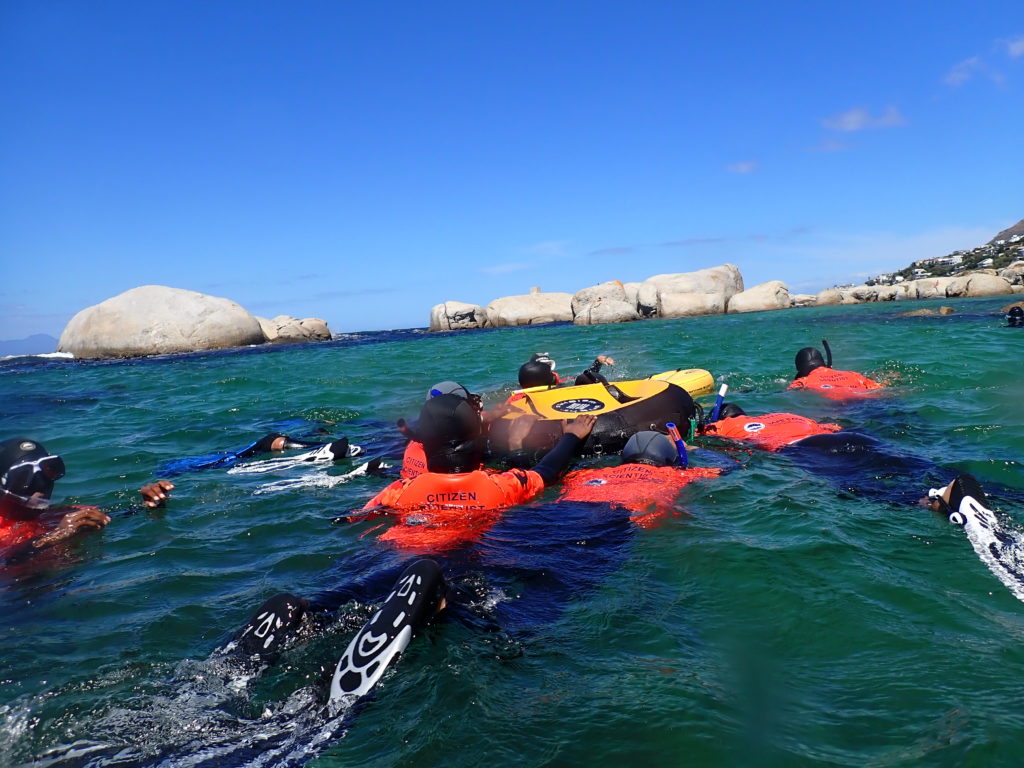
We invited ten Grade 12 Marine Science students from Simon’s Town School, to join us for an Ocean Literacy workshop on the 14th of February 2026. It was a day filled with discussions about our oceans, problem solving and learning how to explore the underwater world using snorkeling equipment. This sponsored visit was made possible through proceeds made at our screening of “Oceans with David Attenborough” screening last year, and we thank all who attended.
What is Ocean Literacy?
To be Ocean literate is to understand our individual and collective impact on the ocean. As well as the ocean’s impact on us which goes beyond simply knowing facts about the sea. It maintains life in ways we are just starting to record, controls our climate, and supplies the oxygen we breathe. By encouraging this literacy, we are bridging the gap between marine conservation and human behavior in addition to teaching science.
Agenda for the day
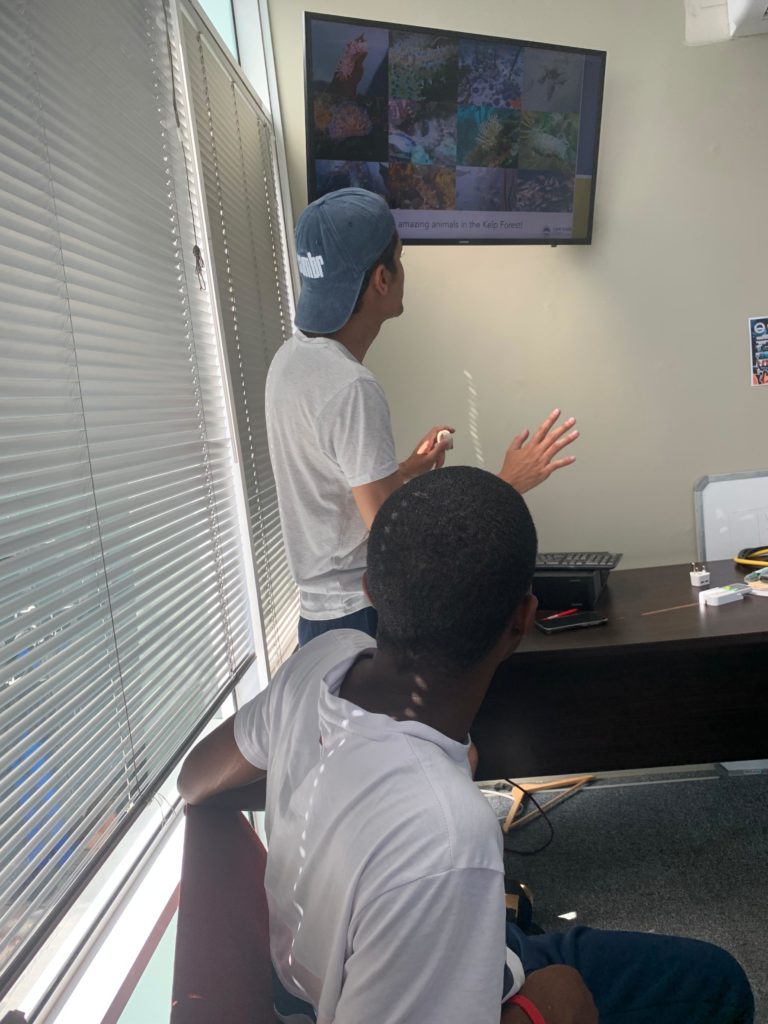
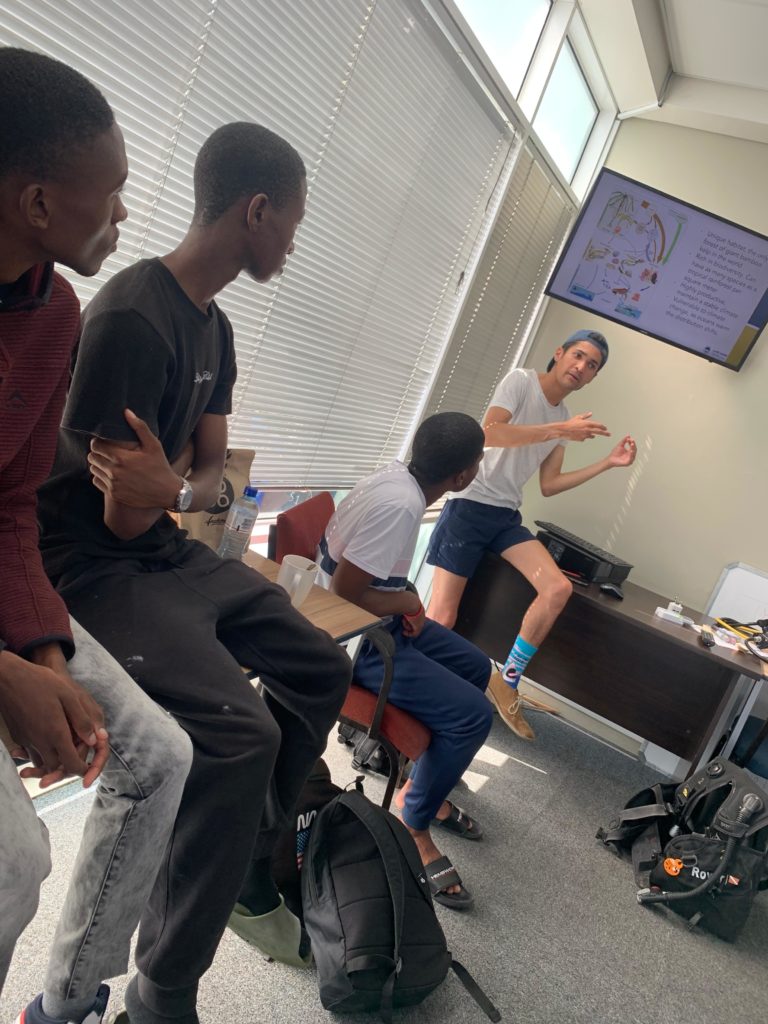
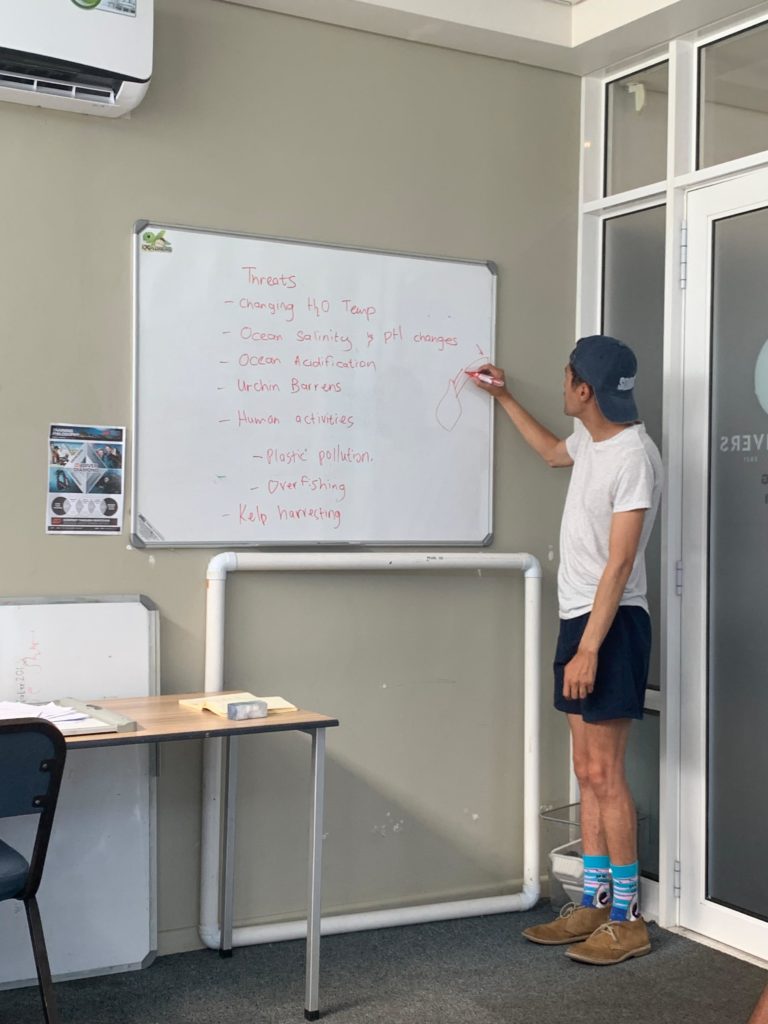
We kicked off our session with a deep dive into the Great African Sea Forest. This underwater forest is a global treasure, yet it faces significant pressure. Our group engaged in a spirited discussion about the primary threats, ranging from rising sea temperatures and overfishing to the encroachment of urban pollution. However, the energy shifted toward hope as we brainstormed solutions. We explored the power of Marine Protected Areas (MPAs), such as the one we operate from the TMNP-MPA. We also spoke of the necessity of sustainable seafood choices, and the role of community-led monitoring in keeping these ecosystems resilient.
An unforgettable snorkel experience
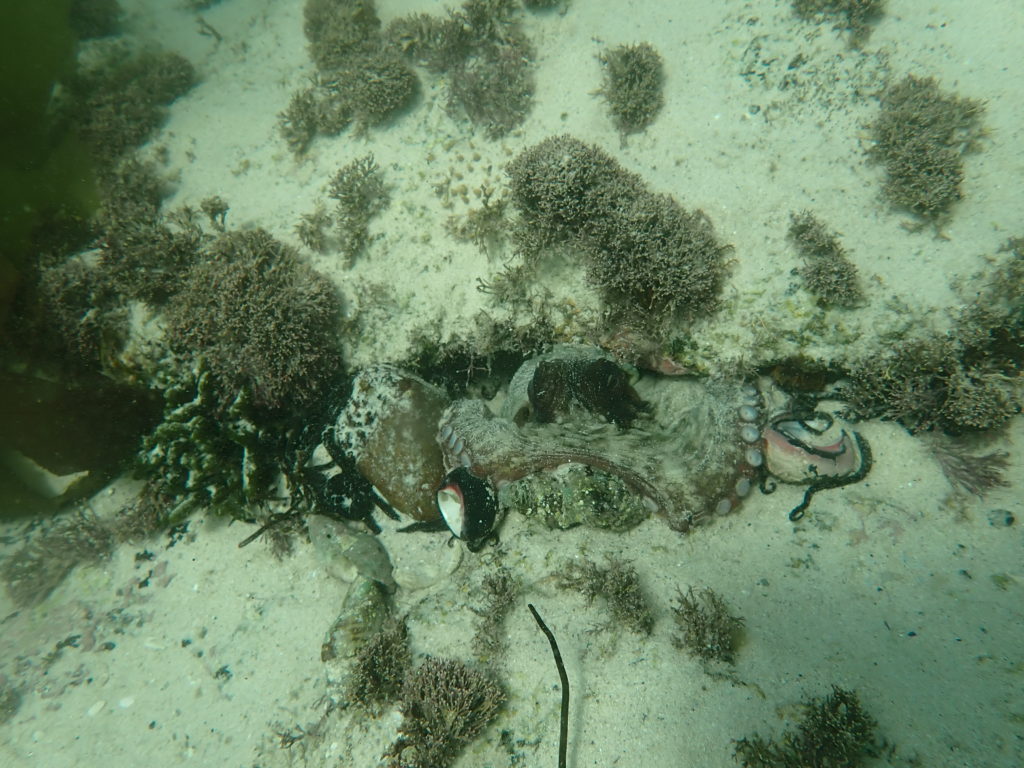
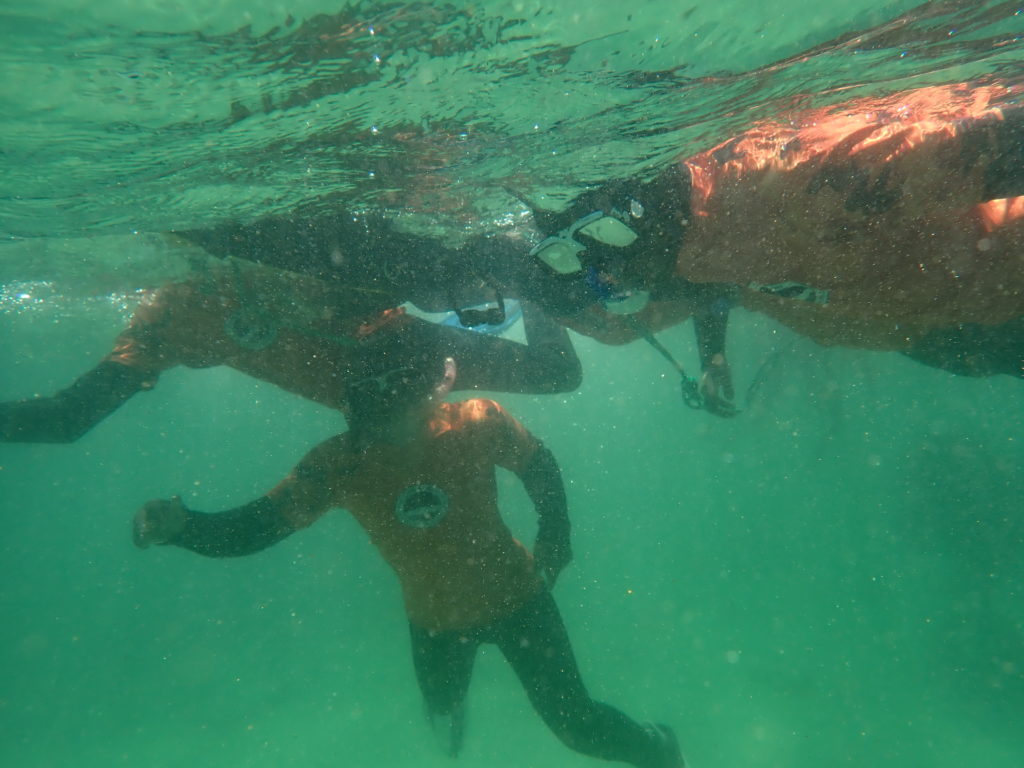
Transitioning from theory to practice, we had an in-depth snorkel briefing get everyone water ready. For many, the gear can be intimidating, so we focused on the fundamentals: achieving a perfect seal with the mask, the “blast” method for clearing a snorkel, and the calm, rhythmic breathing exercises that prevent panic and conserve energy. Once the students felt confident, we headed into Windmill Beach. We spent our time floating through the kelp canopies, not just as observers, but as contributors. The students collected vital sightings to add to Cape RADD’s FinSpotter project, proving that anyone with a mask and a mission can contribute to meaningful scientific data.
None of this would have been possible without our local community. A massive thank you goes out to everyone who attended our recent ocean documentary screening; those ticket sales directly funded this workshop. Providing access to the ocean is one of the most powerful tools we have for conservation. When we break down the barriers to entry, whether they are financial, educational, or physical, we allow the next generation of scientists to fall in love with the world they are working so hard to protect. You too can support work like this by simply joining one of our experiences or donating to Cape RADD. You can also donate money to us by Adopting a Shark through FinSpotter!

0 Comments