Are you dreaming of a career underwater, studying kelp forests, tracking sharks, and helping protect a fragile marine ecosystem? A career in marine biology is within your reach. One of the best ways to get started is through hands-on fieldwork. That’s exactly what the Cape RADD Marine Science Field Course offers.
Located in the south peninsula of Cape Town, this four-week program is for students, graduates, and dive professionals seeking real-world experience in marine research and scientific diving. Here’s how the course can help you become a marine biologist.
Learn by Doing, Not Just by Reading
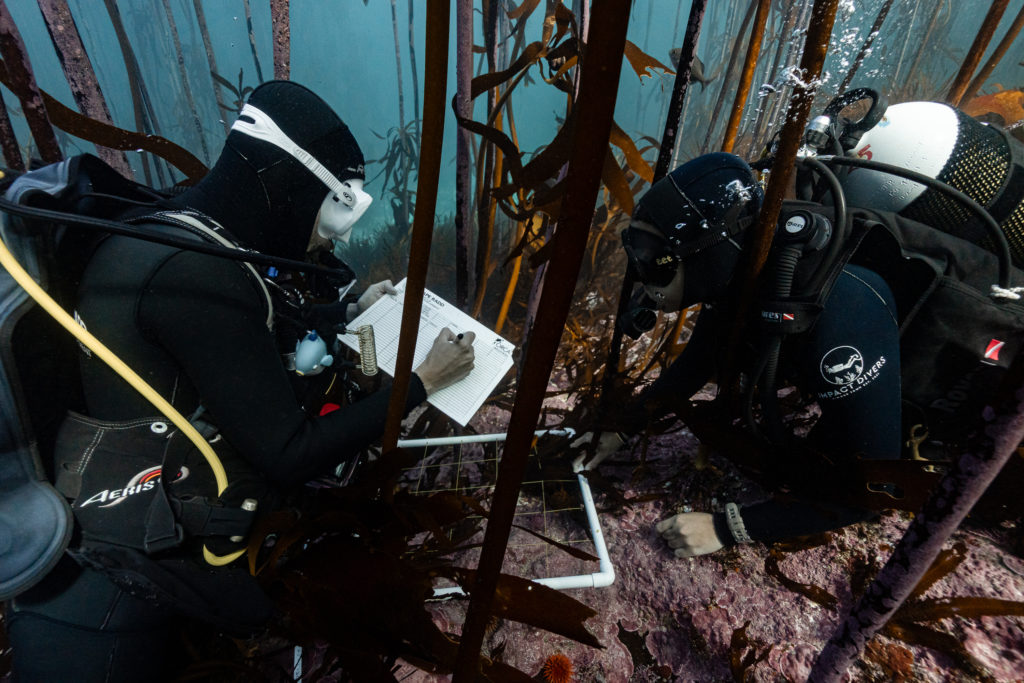
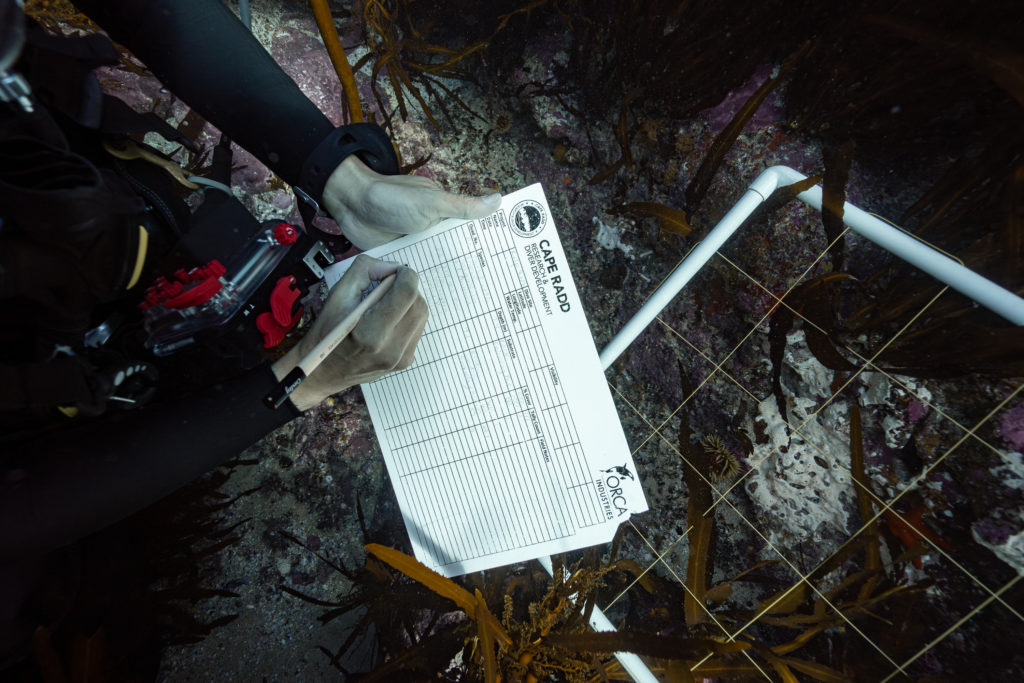
Textbooks can only teach you so much. Cape RADD emphasizes hands-on learning, allowing participants to work directly with field biologists and diving experts. Instead of just learning research methods in theory, you’ll practice them by collecting data, identifying species, and contributing to ongoing marine research projects.
We do, however, still cover the theory. Specialized workshops and lectures help you understand the premise of the various projects. This blend between theory and practical skills makes the field course unique.
Build Real Diving Skills
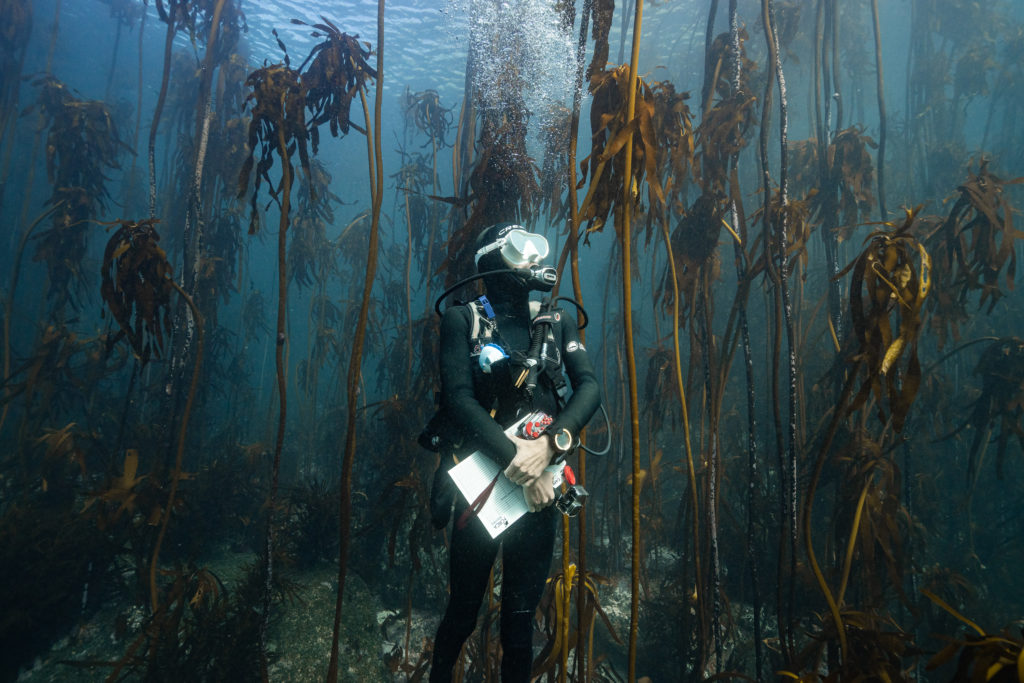
Scientific diving is a vital skill for any field marine biologist. The course begins by ensuring you’re ready for this challenge. Early sessions focus on dive training and acclimatization, emphasizing buoyancy control and familiarizing you with the sampling techniques and equipment used in the field. Whether you’re a complete beginner or an experienced diver, the course welcomes all skill levels.
Get to Know False Bay’s Marine Life
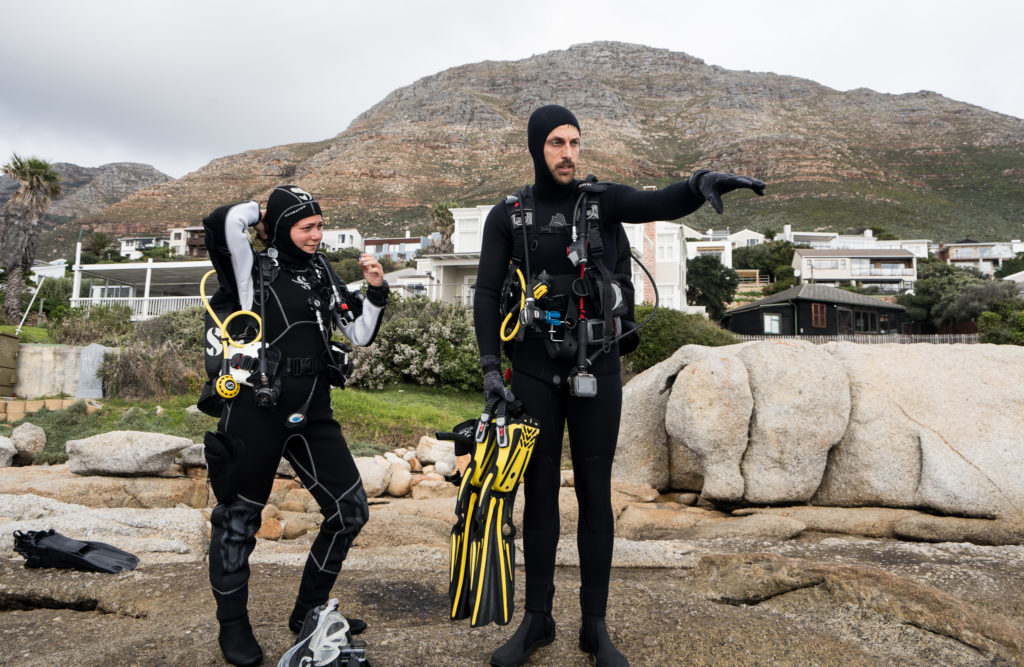
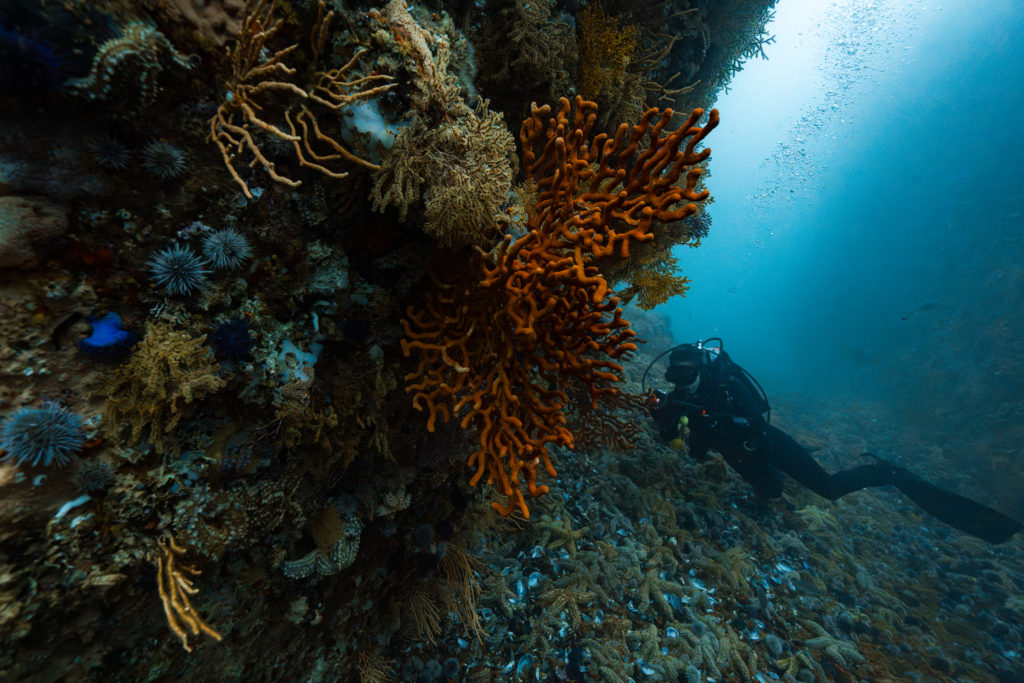
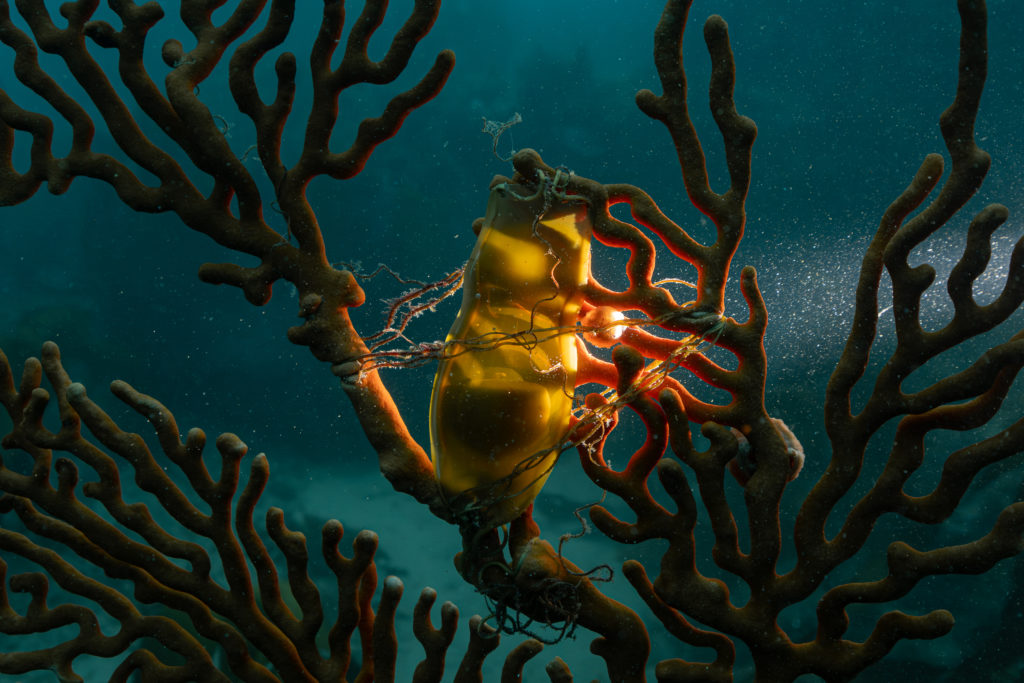
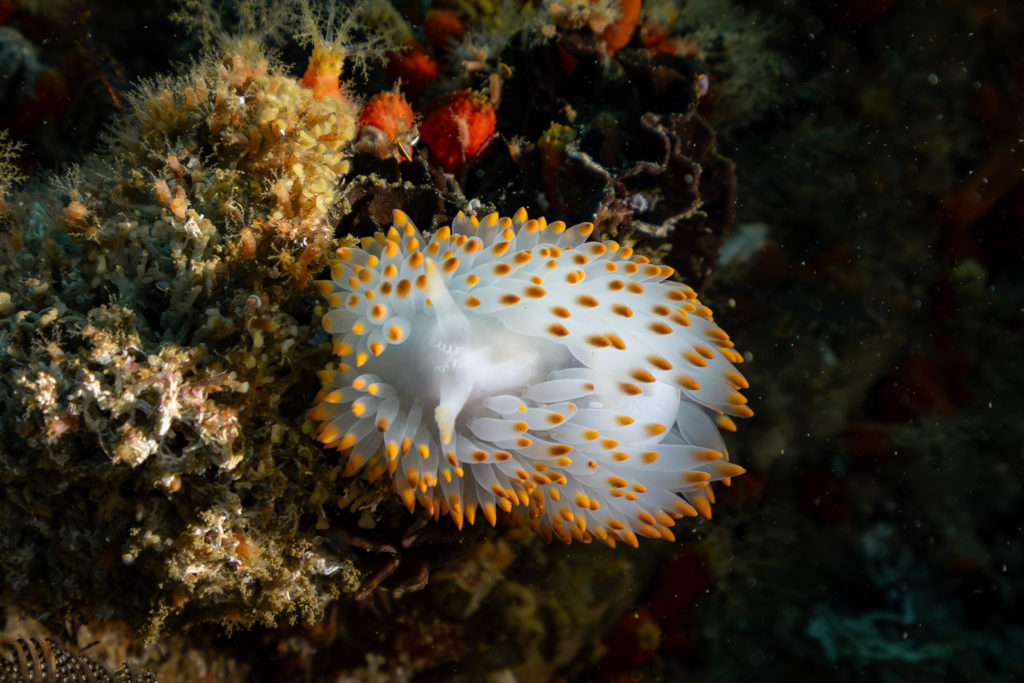
You can’t protect what you don’t understand. The course provides in-depth knowledge of local fish and invertebrates, as well as the ecological systems and processes that contribute to False Bay’s unique biodiversity. Lectures cover everything from substrates to species identification, giving you the scientific foundation to support your fieldwork.
Contribute to Real Research Projects
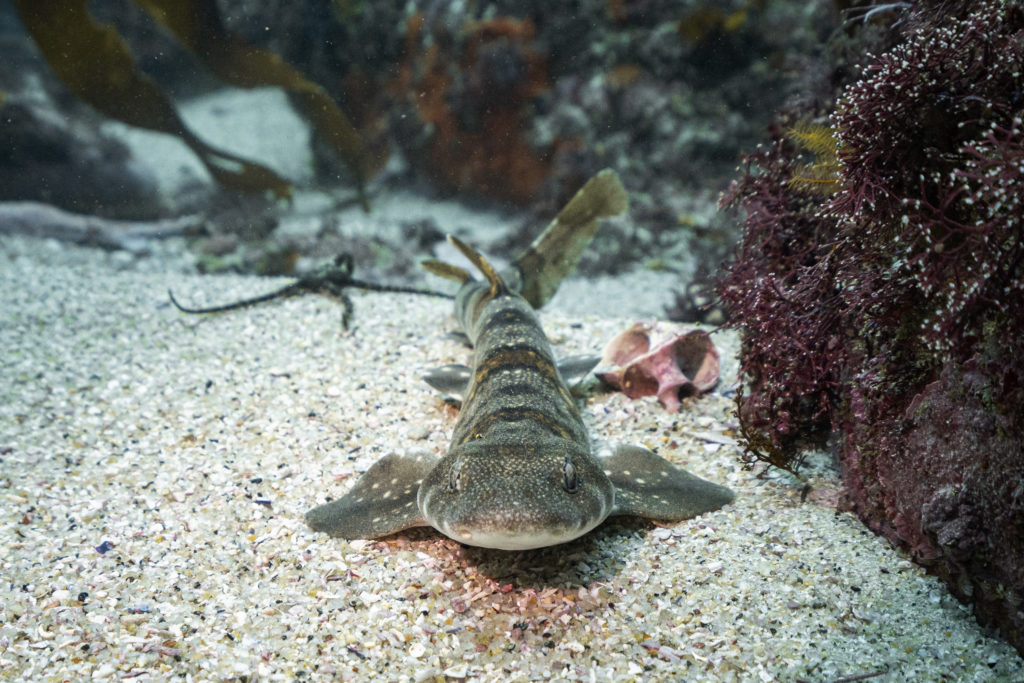
This isn’t a simulation; it’s real science. Participants engage in survey dives and data collection for various active research projects, applying the observation techniques they have learned. Projects have included measuring biodiversity in False Bay, conducting nudibranch surveys, studying kelp forests, and even using AI to count sharks through the Fin Spotter workshop.
Expand Your Toolkit
Modern marine science requires more than diving skills. The course introduces participants to a range of additional skills that are essential in the field, such as:
- GIS (Geographic Information Systems) for mapping and spatial analysis
- Freediving as an alternative research method
- R programming and multivariate analysis for processing and analyzing scientific data
These tools are used by professional researchers, giving you a head start on skills that extend well beyond the dive site.
Engage with the Local Community
Marine conservation doesn’t happen in isolation. Community outreach is an important part of the curriculum, allowing participants to interact with local stakeholders and understand the human aspect of marine conservation, which is often overlooked but essential for becoming an effective marine biologist. At Cape RADD we will introduce you to Citizen Science. A way in which people from all backgrounds can contribute to marine science.
What You’ll Walk Away With
By the end of the four-week course, participants will have gained:
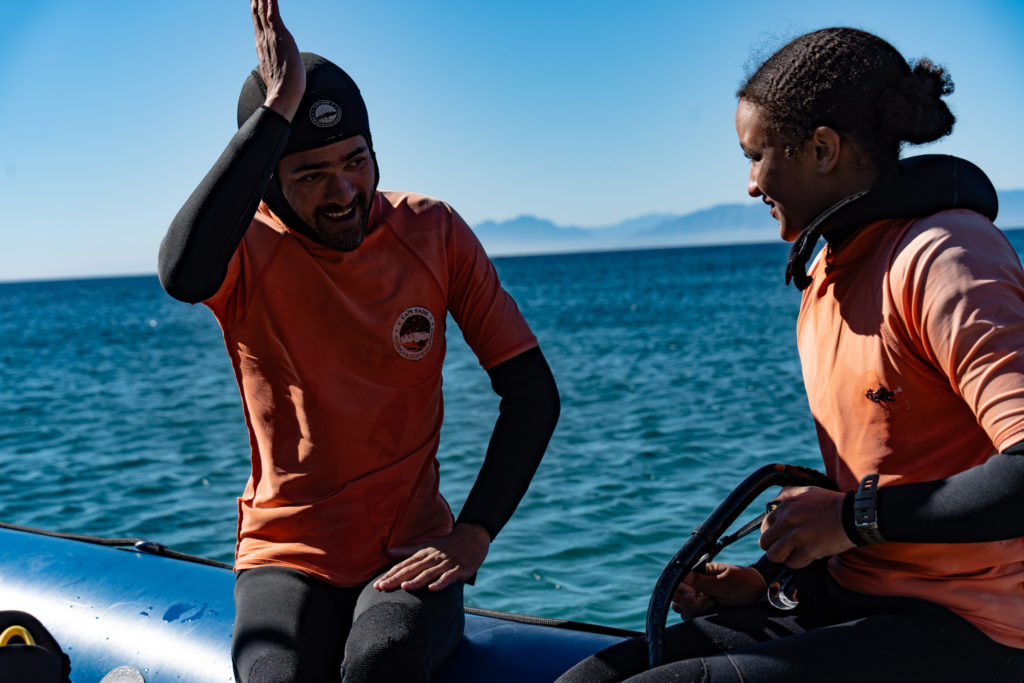
- A broad understanding of research methods in marine science
- Practical experience working alongside field biologists and diving specialists
- Hands-on instruction in data collection and analysis
- In-depth knowledge of fish, invertebrate, and coral species
- Insight into the threats facing the local marine environment
- Real community outreach experience
- The opportunity to earn additional SSI dive qualifications, a valuable credential for aspiring marine scientists
A Week-by-Week Journey
Week 1 introduces you to dive training, species identification workshops, and the basics of scientific diving methodology, laying the groundwork for the weeks ahead.
Week 2 puts those skills into action. You’ll start survey dives, collect data for actual research projects, and participate in workshops that cover GIS, freediving, and R.
Week 3 and 4 expands the work, introducing new research projects, exploring how to measure biodiversity through study design and statistics, and giving you time to begin processing the data you’ve collected.
Ready to Start Your Marine Biology Journey?
Whether you’re a student exploring your options, a graduate seeking field experience, or a diving professional wanting to specialize in science, the Cape RADD Marine Science Field Course offers an authentic, hands-on introduction to life as a marine biologist.
Inquire now to learn more or download the brochure below for full course details.

0 Comments