When students dream of becoming marine biologists, they often imagine remote islands, coral reefs, or research vessels crossing blue water. But one of the world’s richest, most accessible training grounds for a young marine scientist is found right here in South Africa, specifically along the dynamic coastline of False Bay and the Cape Peninsula.
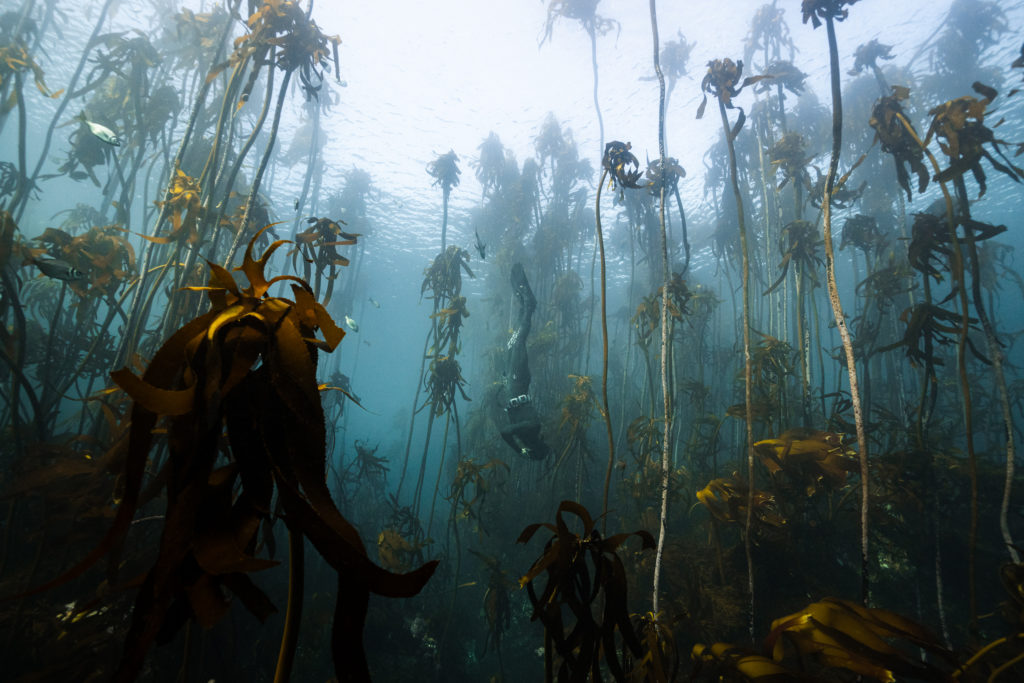
This is where Cape RADD operates, and where interns from around the world come to learn, dive, and contribute to real science in one of the most unique marine ecosystems on Earth.
A Biodiversity Hotspot Like No Other
South Africa sits at the crossroads of two major ocean systems:
- The warm Agulhas Current sweeping down from the Indian Ocean, and
- The cool Benguela Current arriving from the South Atlantic.
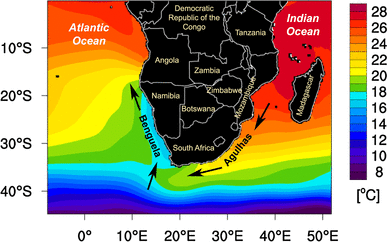
False Bay lies at the heart of this intersection, providing a unique ecosystem unlike anything else on the planet. Where the oceans collide, life explodes. The upwelling system on the West Coast further increases productivity, creating a booming fishing and aquaculture industry.
Cape RADD operates on the South Peninsula, the Western side of False Bay. This region hosts:
- Over 200 species of fish, sharks and rays.
- Thriving kelp forests,
- Deep rocky reefs,
- Seals, cetaceans like dolphins and whales, and some of the world’s most charismatic sharks.
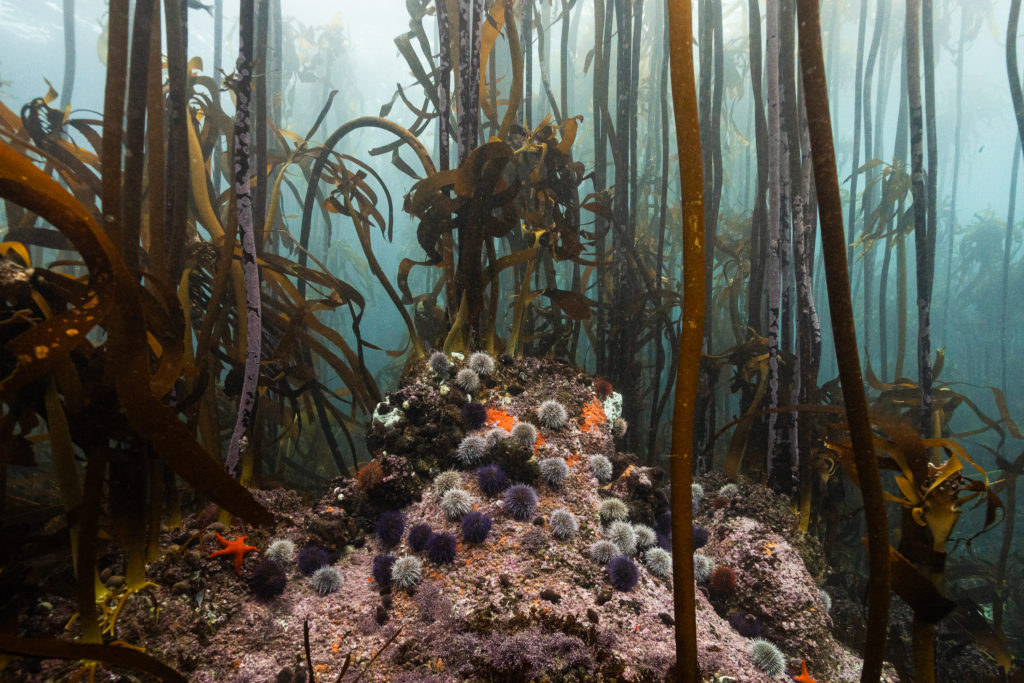
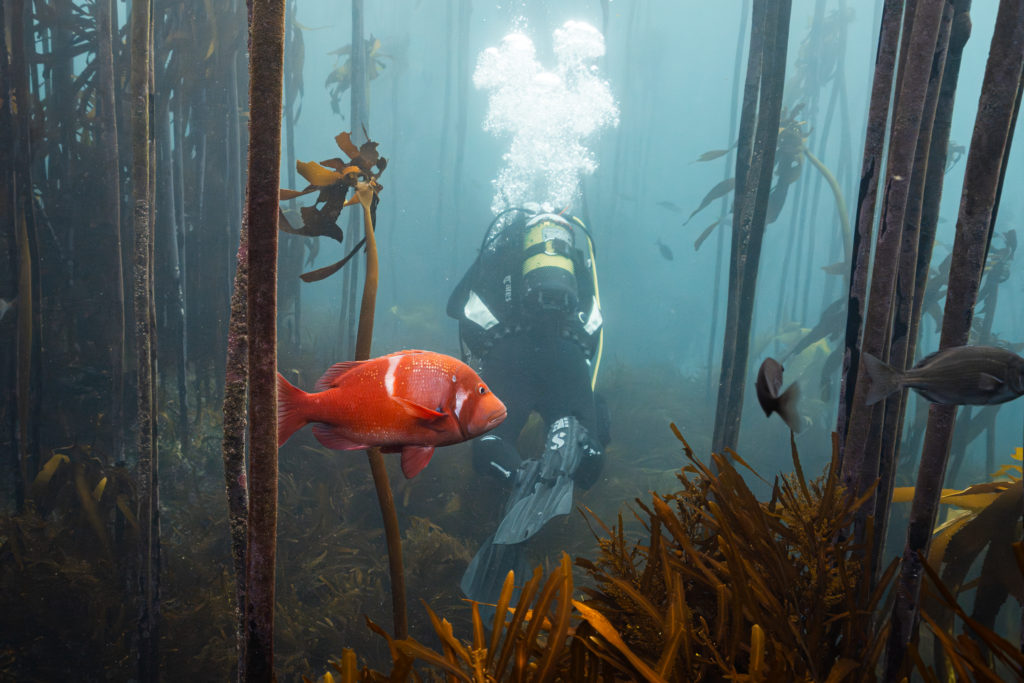
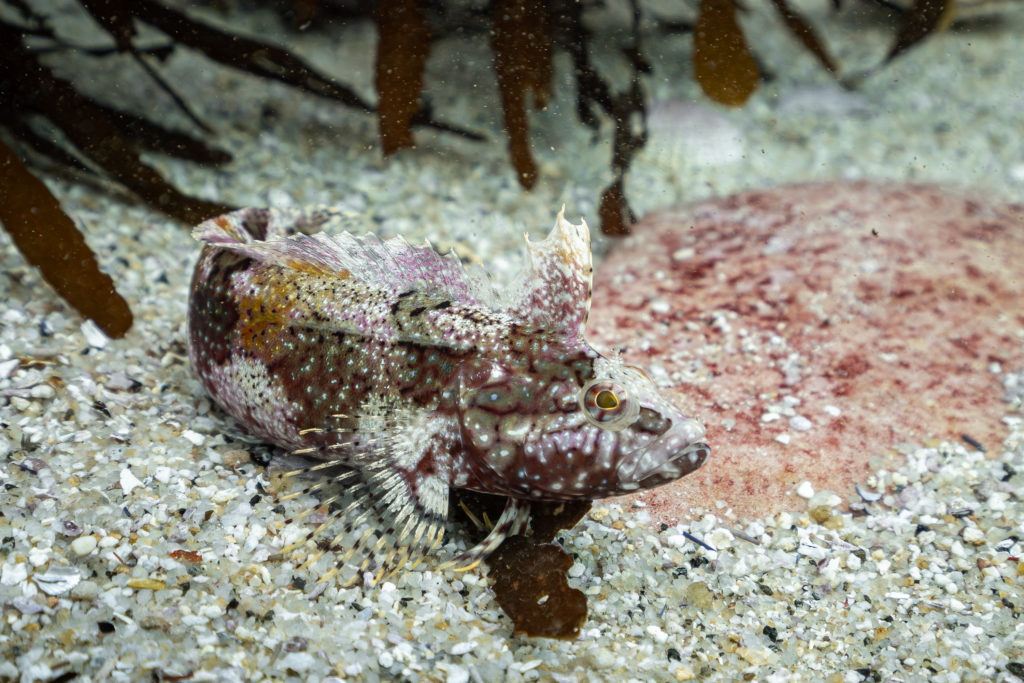
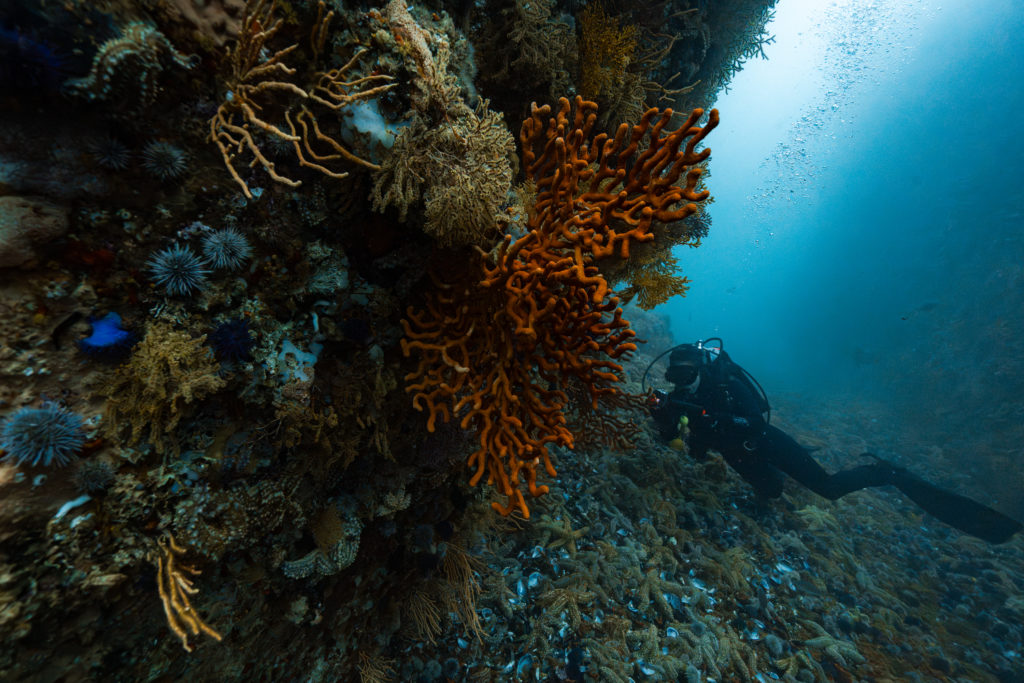
For an aspiring marine scientist, this means you’re not trained in a vacuum, you’re trained in a living laboratory. Every dive offers something new.
A Shark Capital of the World
False Bay is globally recognised as one of the best places to study sharks, especially smaller endemic species like:
- Puffadder shyshark – Haploblepharus edwardsii
- Dark shyshark – Haploblepharus pictus
- Pyjama catshark – Poroderma africanum
- Leopard catshark – Poroderma pantherinum
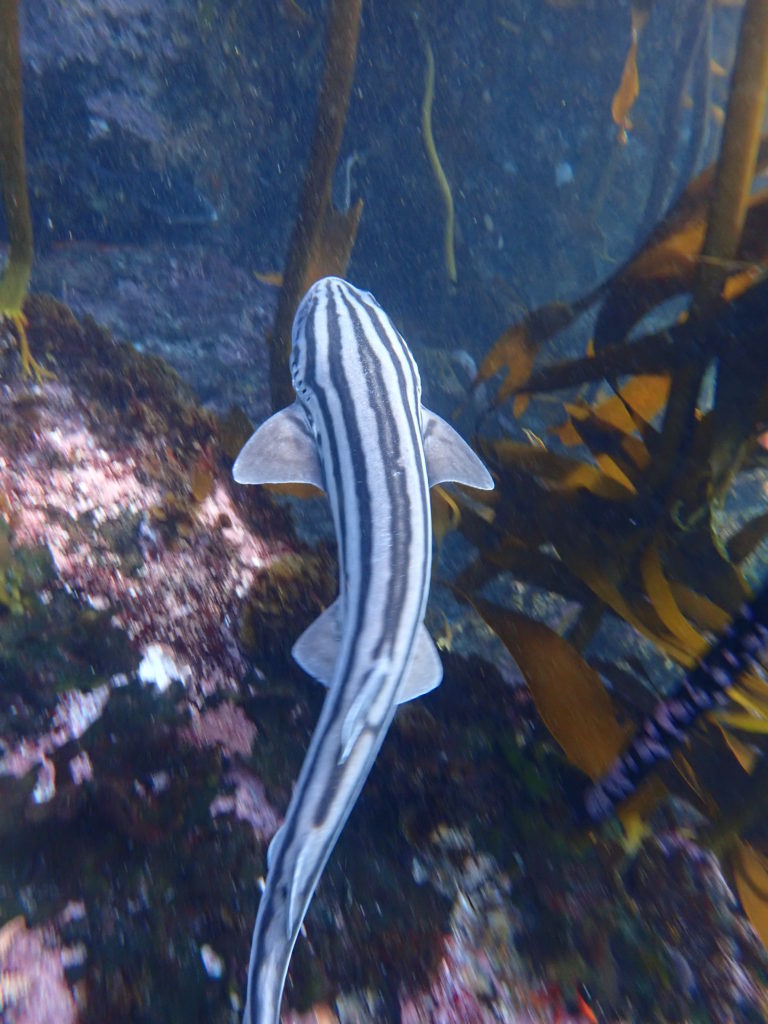
These species form the foundation of Cape RADD’s long-term research and citizen science projects. As an intern, you’re not just learning about shark biology, you’re contributing to datasets that help uncover distribution patterns, hatching success rates, and the effects of environmental change.
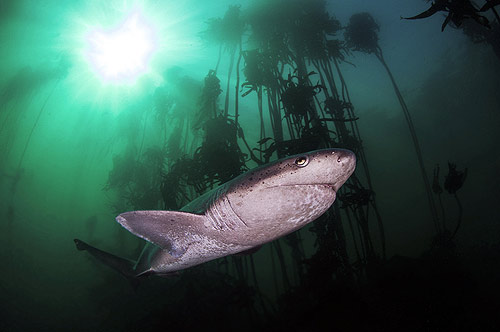
And for those who dream of studying larger predators, false bay is also home to bronze whalers, and sevengill cow sharks, spotted gully sharks and a bunch more! This makes False Bay a classroom full of apex-level complexity.
The Great African Kelp Forest: Your Underwater Classroom
The kelp forests of the Cape Peninsula were thrust into the global spotlight thanks to My Octopus Teacher, but long before Netflix, these waters have been home to one of the planet’s most productive and ecologically important ecosystems.
As an intern/marine science student with Cape RADD, you get to work directly inside these forests, learning:
- Species identification for both Fish and Invertebrates.
- Underwater survey techniques e.g. Transects, quadrats, roving diver surveys, and photo surveys.
- Underwater data collection using diving slates for biodiversity monitoring.
- Invertebrate and fish community structure surveys.
- Data processing and analytical skills.
- Using baited remote underwater video (BRUV) systems to study underwater communities.
Kelp forests offer accessible entry points, and nearshore research sites, making them ideal for early-career scientists. We can enter the water from both the shore, or from a boat, making each survey trip unique.
Hands-On Citizen Science That Means Something
Unlike many internships where students observe research passively, Cape RADD is built on active participation. You don’t watch scientists collect data, you become one of them.
Interns/marine science students contribute to ongoing monitoring projects, including:
- Catshark and shyshark egg case surveys
- Macroinvertebrate community structure research
- Kelp forest mapping
- Shark egg case surveys
- Microplastic sampling
- Marine debris monitoring
- Fish surveys
- Shark photo surveys for individual ID and population studies
Your work becomes part of long-term datasets which could be used by conservation groups, government agencies, and academic partners. You will leave Cape RADD having a holistic view on what it means to be a marine scientist in South Africa, and anywhere else in the world.
You aren’t just learning.
You’re leaving a measurable impact.
South Africa: A Culture of Adventure and Conservation
Training in South Africa isn’t just about the science, it’s about everything around it:
- Amazing mountains and nature reserves
- Stunning wildlife
- Various cultures
- African biodiversity
- A tight-knit scientific community
- Adventure-based learning
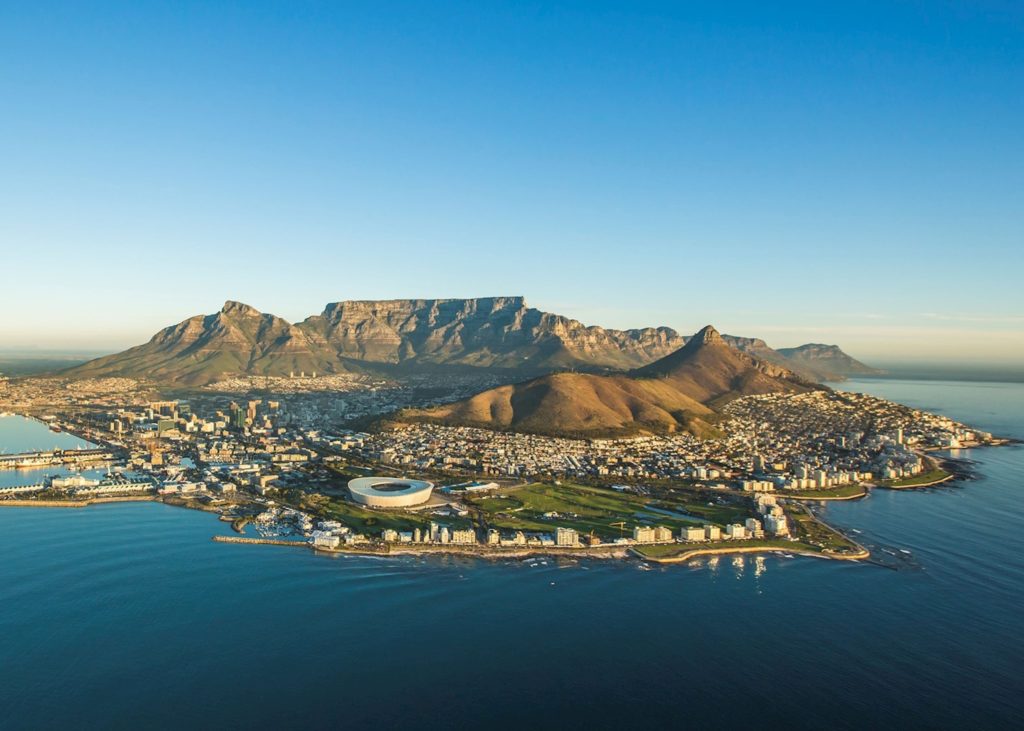
Between dives, you can visit Cape Point, hike Table Mountain, explore penguin colonies, surf, or explore tidal pools teeming with life. It’s a country that naturally shapes resilient, adaptive, field-ready scientists.
Our students often say that after a month at Cape RADD in South Africa, they leave with:
- Stronger diving skills
- Confidence in scientific methods
- Field experience that sets them apart academically
- Friendships for life
- A deep appreciation for ocean conservation
Join our Marine Science Field Course:
References and accreditations
Sharks of South Africa – Discover sharks in South Africa
Weber, Torsten & Haensler, Andreas & Jacob, Daniela. (2018). Sensitivity of the atmospheric water cycle to corrections of the sea surface temperature bias over southern Africa in a regional climate model. Climate Dynamics. 51. 10.1007/s00382-017-4052-8.

0 Comments